

HOA Debt Assessments and Collection Practices
Homeowners’ Associations (HOAs) manage shared spaces and community assets. Part of this responsibility includes assessing and collecting homeowners’ dues to cover the maintenance costs of these areas. The process can become complex when payments become delinquent, involving legal measures and negotiations. This article will delve into HOA debt assessments and collection practices, detailing how they work and the importance of legal support.
Assessments in HOAs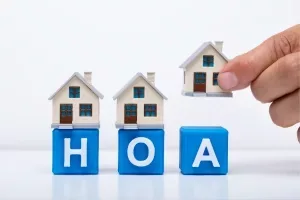
The origination of HOA assessments can be traced back to the development stage of a community. When a community is first planned and constructed, developers create an HOA to manage the shared spaces and common areas, such as pools, parks, and roads. These shared amenities enhance the value and appeal of the community but require regular maintenance and occasional improvements. To fund these ongoing costs, the HOA’s governing documents, drafted in coordination with the initial development plans, lay out the structure for regular and special assessments.
The CC&Rs, or Covenants, Conditions, and Restrictions, are legal documents that govern a homeowners association (HOA) and set forth the rules and regulations for the community. The CC&Rs outline HOA assessments, both regular and special. This includes details such as the amount and frequency of regular assessments, the process for determining and levying special assessments, collecting delinquent assessments, and the consequences for non-payment, such as late fees, interest, and legal action. By detailing the assessment structure and processes, the CC&Rs provide a legal framework to ensure the HOA has the funds to maintain and enhance shared spaces and common areas within the community.
When a homeowner purchases a property within a homeowners association (HOA) community, they are typically provided with a copy of the Covenants, Conditions, and Restrictions (CC&Rs) and advised of their obligations, including the assessment parameters, as part of the closing process or through their real estate agent.
These assessments are typically mandated for all homeowners within the community, and their payment is utilized to operate and maintain shared facilities. As the community grows and evolves, the assessments may be adjusted in response to changing needs and expenses.
HOA attorneys are crucial in collecting assessments, ensuring legal compliance. They recognize that the funds collected are vital for maintaining common areas within the HOA, and any failure to collect these fees can severely impact the HOA’s budget and, thereby, the maintenance of various common areas. By handling collection practices, they ensure the necessary resources are available to maintain and enhance shared spaces within the community.
Regular Assessments
Regular assessments are ongoing fees that are usually paid monthly or annually and cover general maintenance and operational expenses.
Special Assessments
Special assessments, such as emergency repairs, may be imposed when unexpected expenses arise. These are one-time fees that require homeowner compliance. These are essential for HOAs, allowing them to cover unexpected expenses not included in the regular budget. These one-time charges can be necessary for various reasons, and they often emerge in unexpected and urgent situations. Here are two illustrative examples:
Example of A Special Assessment: Hurricane Damage
Imagine a coastal community that has experienced a devastating hurricane. The shared facilities, including landscaping, fencing, and recreation areas, have sustained extensive damage. The regular HOA budget, primarily designed to cover routine maintenance and standard improvements, must be revised to address the sudden and significant repair costs. In this situation, the HOA board may levy a special assessment. This assessment would be allocated to all homeowners within the community, divided according to the governing documents’ stipulations, to cover the hurricane-related repairs. An HOA attorney ensures that the assessment is imposed legally and that the funds are used only for the intended purpose. This helps the community recover quickly and preserve property values.
Example of Special Assessment for Roof Repair Due to Age of Structure
In another fictional scenario, a community may face the inevitable aging of shared structures, such as a clubhouse or community building. Over time, wear and tear have taken a toll on the roof, and it’s now in urgent need of replacement.
Again, the regular assessments budgeted for routine maintenance might not cover such a substantial expense. The HOA board, recognizing the importance of addressing the issue promptly to prevent further damage and potential safety hazards, decides to impose a special assessment.
The HOA would collect this one-time fee to cover the necessary roof replacement. The HOA attorney reviews the process to ensure compliance with the community’s governing documents and state laws.
Special assessments are essential financial tools for HOAs, allowing them to respond to unexpected or large-scale expenses that fall outside the scope of regular assessments. Whether facing natural disasters like hurricanes or dealing with the gradual aging of community structures, special assessments provide the means to address critical needs promptly.
Collection Practices
The process can be complex if a homeowner is delinquent on their assessments within an HOA. It typically follows a series of steps involving late fees, liens, and potential legal action. An HOA attorney ensures that assessments are collected, and if homeowners are delinquent in their payments, the attorney follows legal guidelines to collect the debt. Below is the process for collecting delinquent assessments:
1. Delinquency Noted
Once a homeowner misses a payment, they are considered delinquent on their assessments. The community’s governing documents will outline the exact grace period and late fee structure.
2. Late Fees and Interest
Under Florida law, assessments not paid when due bear interest from the due date until paid at the rate stated in the declaration or bylaws, which may not exceed the rate allowed by law, or at 18% per year if no rate is stated. An administrative late fee may be charged only if the declaration or bylaws authorize it, and may not exceed the greater of $25 or 5% of each delinquent installment. Payments are applied first to interest, then to the administrative late fee, then to collection costs and reasonable attorney fees, and then to the delinquent assessment, notwithstanding any restrictive endorsement on the payment.
3. Communication and Notice
Florida law requires the HOA to serve a written notice of late assessment on the parcel owner, in the statutory form advising that a claim of lien may be recorded if the amount owed is not paid, at least 30 days before recording a lien. It must be sent by certified mail, return receipt requested, and by first-class mail to the parcel address, and by e-mail if the owner has consented to electronic notice. The notice may also include information about payment plans or other solutions that could resolve the delinquency.
4. Lien Process
If the delinquency persists, an HOA lien is filed against the homeowner’s property. A lien is a legal claim against an asset, in this case, the home, used to secure the debt owed to the HOA. The lien process is as follows:
- Filing the Lien: To be valid against third parties, the claim of lien must be recorded in the public records of the county where the parcel is located, with the clerk of the circuit court. It must state the description of the parcel, the name of the record owner, the name and address of the association, and the assessment amount due and its due date, and must be signed and acknowledged by an officer or agent of the association. The lien secures unpaid assessments plus interest, late fees, and reasonable costs and attorney fees incident to collection.
- Notification of the Homeowner: The required notice of late assessment must be served at least 30 days before the lien is recorded, and a separate written notice of intent to foreclose, in the statutory form and served in the same manner, must be given at least 45 days before a foreclosure action is filed. There is no post-recording statutory response period, although the owner may record a notice of contest of lien to shorten the association’s time to enforce it.
- Enforcement: If the debt remains unpaid after the 45-day notice of intent to foreclose, the HOA may enforce the lien through a judicial foreclosure action, in the manner of a mortgage foreclosure.
5. Legal Action
If the homeowner is still unresponsive, the HOA may decide to take legal action. This could involve litigation as the HOA may sue the homeowner to obtain a judgment for the amount owed, including late fees, interest, legal fees, and other associated costs. It can also escalate to foreclosure if a lien has been filed and the payment is still not received; the HOA may seek to foreclose on the property to satisfy the debt. The HOA foreclosure process is judicial, in the manner of a mortgage foreclosure, and must follow the procedures set by Florida statute, including the 45-day notice of intent to foreclose.
6. Resolution
The process concludes once the homeowner pays the amount due or other legal resolutions are reached. If legal action was taken, a judgment or foreclosure sale could resolve the issue.
Dramatization of HOA Debt Collection
This dramatization illustrates how an HOA attorney can take decisive legal action when delinquent payments threaten the community’s financial health. While the approach may be more aggressive, it protects the community’s interests and ensures the resources necessary for maintaining common areas are available. In cases where negotiations fail, such legal actions may become an essential step to preserve the integrity of the community.
The following is a DRAMATIZATION AND NOT AN ACTUAL EVENT: Mrs. Thompson must catch up on her assessment payments in a well-established community. The HOA board has tried to communicate with her multiple times, but Mrs. Thompson is unresponsive\. At this point, the HOA board seeks the assistance of an experienced HOA attorney, who decides that negotiation is no longer an option. Subsequently, he sends a formal demand letter to Mrs. Thompson, outlining the amount due and the legal consequences of continued non-payment. The situation culminates in a court ruling in favor of the HOA, granting them the ability to foreclose Mrs. Thompson’s property if the debt remains unpaid.
Conclusion
The process of handling delinquent assessments within an HOA involves communication, and potential financial penalties, liens or legal action. In Florida, the procedures and timelines for late charges, notices, liens, and foreclosure are set by state statute, while the governing documents and individual circumstances affect how they apply. Engaging an HOA attorney to guide the process can ensure compliance with all legal requirements and facilitate the most effective resolution.